Remy: A Playful Display Font for Modern Brands
When I first started packaging my handmade soy candles, I felt stuck. The labels looked fine, but they didn’t feel like me. They were safe, clean, and utterly forgettable. I knew I needed a change, something that captured the whimsical, cozy vibe of my shop without looking amateurish. That is when I discovered Remy, a playful decorative display font that completely transformed how my brand communicates. If you are an entrepreneur looking to refresh your visual identity, understanding how specific Fonts can elevate your Display materials is the first step toward a more memorable business presence.
How Remy Transforms Product Packaging and Labels
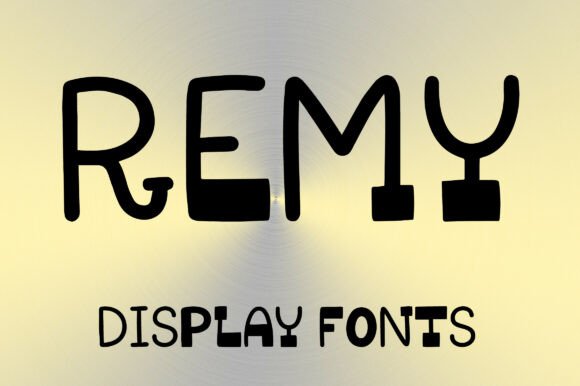
Remy is not just another typeface; it is a personality injector for your brand. As a Display font, it is designed to grab attention immediately. When I swapped out my old, rigid sans serif label text for Remy, the difference was night and day. The uppercase letterforms feature rounded strokes and quirky geometric details that soften the overall look. This makes it perfect for product categories that rely on warmth and approachability, such as bakeries, boutique skincare lines, or artisanal coffee roasters.
The creative unevenness in the strokes gives the impression of a hand-drawn touch, which builds trust with customers who value craftsmanship. For small business owners, this means your packaging does not just hold a product; it tells a story. Whether you are designing a sticker for a candle jar or a header for a bakery box, Remy adds that layer of artistic modern charm that makes people want to pick up your item and take a closer look. It turns a standard label into a piece of art.
Creating Consistent Social Media Graphics with Remy
In today’s digital landscape, your Instagram feed and Pinterest boards are often the first point of contact with potential clients. Using consistent Fonts across these platforms is crucial for brand recognition. Remy shines in social media graphics because its whimsical style stands out against busy backgrounds. I started using it for quote cards, sale announcements, and new product teasers. The result? A cohesive aesthetic that feels polished yet playful.
Because Remy is a Display font, it works best for headlines and short phrases rather than long paragraphs. This limitation is actually a strength for social media, where brevity is key. You can pair it with a clean, minimal sans serif font for the body text to ensure readability while letting Remy handle the heavy lifting of visual interest. This combination creates a professional hierarchy that guides the viewer’s eye naturally. It helps your brand look established and thoughtful, even if you are a one-person operation working from a home office.
Using Remy for Menu Design and Café Branding
If you run a café, brunch spot, or food truck, your menu is a critical touchpoint. A cluttered or generic menu can detract from the dining experience. Remy offers a solution for businesses that want to convey fun and creativity. Imagine a weekend brunch menu where the section headers—like "Sweet Treats" or "Morning Brews"—are written in Remy. The quirky geometric details add a sense of movement and energy that static fonts lack.
However, readability is paramount in menu design. Since Remy features creative uneven strokes, it is best used for titles and category names. For the item descriptions and prices, stick to a highly legible serif or sans serif font. This contrast ensures that customers can easily scan their options while still enjoying the whimsical atmosphere created by the Display typography. It strikes a balance between artistic flair and practical function, making the dining experience more enjoyable and the brand more memorable.
Enhancing Logo Design and Brand Identity with Whimsy
Your logo is the face of your business, and the right typeface can define your entire brand identity. Remy is an excellent choice for logos in industries that prioritize creativity, such as children’s products, party planning, or handmade crafts. Its hand-drawn style suggests authenticity and human touch, which are valuable traits in a market saturated with corporate sterility. When I considered updating my own logo, I realized that Remy could serve as the primary typographic element, eliminating the need for complex icons or symbols.
The uppercase nature of Remy gives it a strong presence, ensuring that your brand name is read clearly. The rounded strokes make it feel friendly and inviting, encouraging customer engagement. For entrepreneurs building a brand from scratch, starting with a distinctive font like Remy sets a clear tone. It signals that your business is approachable, modern, and attentive to detail. This immediate visual cue can significantly impact first impressions, turning casual browsers into loyal customers.
Pairing Remy with Other Fonts for Professional Results
One of the most common mistakes small business owners make is using too many decorative fonts at once. To keep your designs looking professional, you must pair Remy with complementary typefaces. Since Remy is a bold Display font with character, it pairs beautifully with neutral, clean fonts. A simple geometric sans serif works well for modern, minimalist brands, while a classic serif font can add a touch of elegance and tradition for a more vintage-inspired look.
For example, if you are designing a wedding invitation suite, you might use Remy for the couple’s names to add a playful, personal touch, while using a delicate script font for the details. Alternatively, for a tech startup with a friendly vibe, pairing Remy with a crisp, modern sans serif can soften the corporate edge. The key is contrast. Let Remy be the star, and let the supporting fonts play the role of the reliable narrator. This strategy ensures your Fonts work together harmoniously rather than competing for attention.
Checking Licensing and File Formats for Commercial Use
Before you download and start designing, it is essential to understand the technical and legal aspects of using premium Fonts. Always check the licensing agreement to ensure that Remy covers your intended use cases, such as commercial packaging, digital ads, or merchandise. Most reputable font creators offer clear guidelines on what is permitted, protecting both you and the designer. Additionally, verify the file formats included. OpenType files often provide access to alternates and ligatures, which can add extra customization to your designs.
Having access to different weights or styles can also expand your versatility. While Remy is primarily a Display font, knowing its limitations and strengths helps you plan your design assets more effectively. Ensure that the font supports the languages you need if you are targeting an international audience. By doing your due diligence upfront, you avoid costly mistakes later and ensure that your brand identity remains consistent and legally sound across all platforms. This professionalism reflects well on your business and builds long-term credibility with your customers.